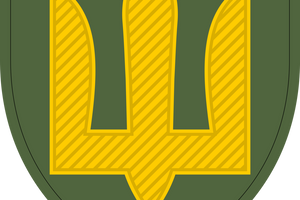

The Special Operations Forces of the Armed Forces of Ukraine (SSO) are a separate branch of the Ukrainian Armed Forces, established to carry out missions that require specialized training, careful planning, and a high level of coordination. Their responsibilities include special reconnaissance, special operations, supporting resistance movements, and other tasks assigned by military command.
During the Russian-Ukrainian war, the SSO have become one of the recognized symbols of Ukraine's Defense Forces. Behind their public image, however, lies a long process of organizational development, changes in military training, and experience gained through combat operations.
This article explores how Ukraine's Special Operations Forces were formed, how their operators are trained, what is publicly known about their structure, and what role they play in modern warfare.
What Are the Ukrainian Special Operations Forces?
The SSO are more than units trained to carry out difficult combat missions. They are an integrated system combining specially trained personnel, intelligence, operational planning, technical capabilities, and cooperation with other components of the Defense Forces.
Their responsibilities include special reconnaissance, special operations, supporting resistance movements in temporarily occupied territories, and information and psychological operations. Specific tasks depend on the operational situation and decisions made by military command.
Unlike conventional combat units, special operations forces are trained to work in environments where concealment, autonomy, accurate intelligence gathering, and the ability to operate in small teams are particularly important. Autonomy, however, does not mean isolation. Mission outcomes often depend on cooperation with intelligence services, aviation, artillery, naval forces, and other military units.
The Formation of Ukraine's SSO

The history of Ukraine's Special Operations Forces began long before they were officially established as a separate branch of the military. After gaining independence, Ukraine inherited parts of the Soviet military structure, including special-purpose units. Building a modern special operations system, however, required its own organization, doctrine, training, and command structure.
During the 2000s, efforts were made to develop an appropriate structure. The need for dedicated special operations forces capable of operating according to modern military standards became increasingly apparent. However, this process had not been completed by 2014.
Following the beginning of Russian aggression in 2014, the need for such forces became particularly clear. Combat operations in eastern Ukraine demonstrated the importance of effective intelligence, specialized training, flexible command, and the ability to operate in complex environments.
In 2016, the Special Operations Forces were formally established as a separate branch of the Ukrainian Armed Forces. This marked a major milestone, although the development of a comprehensive system of training, command, and support continued afterward.
The background and development of this process are discussed in an analytical paper by Ukraine's National Institute for Strategic Studies on the formation of the SSO.
Structure and Main Areas of Responsibility
The complete structure of the SSO and details about individual units are not always disclosed publicly. Nevertheless, open sources provide information about their main areas of responsibility and some of their publicly known formations.
Special-purpose units carry out special reconnaissance and special operations. Their personnel are trained to operate in a variety of environments, including behind enemy lines, where concealment, navigation, communications, and teamwork are essential.
The 73rd Naval Special Operations Center is a well-known unit associated with missions in maritime and coastal environments. Its specialization involves preparation for operations requiring specific skills, equipment, and knowledge of the maritime domain.
The Resistance Movement is one of the SSO's areas of responsibility. It involves organizing and supporting resistance in temporarily occupied territories. Depending on the circumstances, this may include preparing participants, maintaining communications, and supporting other forms of resistance within assigned missions.
Information and psychological operations focus on the information environment. They may involve countering hostile propaganda, disseminating information, and influencing how events are perceived by different audiences.
The SSO should therefore not be understood as a single universal unit. It is a system encompassing different specializations. The composition and responsibilities of individual formations may change, and public descriptions do not necessarily reflect the complete current structure.
Snake Island: An Example of Operational Coordination

One of the best-known episodes of the full-scale war involving special operations personnel took place around Snake Island in the Black Sea in the summer of 2022.
After Russian forces withdrew from the island, Ukrainian personnel needed to inspect the territory, gather information about abandoned equipment, and help ensure the site could be used safely. This required more than establishing control over the island. The area also had to be checked for potential hazards, including mines.
Public accounts of the operation mention the 73rd Naval Special Operations Center. Its personnel took part in activities on the island, including examining the coastal area and gathering information. However, the operation involved different components of Ukraine's Defense Forces rather than the SSO alone.
This example illustrates an important feature of special operations: they do not take place independently of the wider military campaign. Their success can depend on intelligence, engineering support, planning, and coordination between units with different responsibilities.
The Q-Course: How SSO Operators Are Trained

One of the distinctive features of the SSO is its selection and training system. An important part of this system is the qualification course commonly known as the Q-course.
Candidates first undergo a selection process, often referred to as "selection" or "screening." This is different from the Q-course itself. Selection helps determine whether candidates demonstrate the qualities needed to continue, while the Q-course is an extended training process designed to develop the required professional skills.
Training can involve demanding physical exercises, endurance development, psychological resilience, navigation, tactical skills, and teamwork. Physical performance is only one part of the process. Discipline, the ability to function under pressure, willingness to learn, and sound decision-making in difficult circumstances are also important.
The course's duration and content may vary depending on the program and the particular class. For example, an official SSO report on the graduation of the 12th Q-course, published in 2021, stated that this class's training lasted six months. This historical example should not be taken as confirmation that the current course always has the same duration.
Those considering service in the Special Operations Forces should consult the official SSO recruitment page for current information about joining opportunities and requirements.
Weapons, Equipment, and Technology
The work of the SSO requires a range of weapons, communications systems, navigation tools, surveillance equipment, and personal gear. The specific equipment used depends on the mission, environment, duration of the operation, and the team's specialization.
Open sources about the Ukrainian military mention various small arms, including the Ukrainian-made UAR-10 rifle. However, the fact that a weapon is used by the Ukrainian Armed Forces does not mean it is standard equipment across all SSO units.
Secure communications, optics, night-vision devices, navigation equipment, body armor, and medical supplies are also important. In modern warfare, unmanned systems and counter-drone capabilities have become increasingly significant.
Technology helps personnel gather information and maintain situational awareness, but it cannot replace training. Even the most advanced equipment requires specialists who know how to use it effectively and coordinate with other personnel.
"I Am Coming Against You!": Symbolism and Traditions
The phrase "Idu na vy!" - commonly translated as "I am coming against you!" - is often associated with Ukraine's Special Operations Forces. It is linked to the image of Prince Sviatoslav Ihorovych, to whom the chronicle tradition attributes a warning given to his adversaries before military action.
In the modern military context, the phrase is understood as a symbol of determination and readiness to confront an adversary. It is important, however, to distinguish the historical tradition surrounding the phrase from its contemporary use as a military symbol.
Unit insignia, traditions, and professional culture help establish a shared identity. For service members, they can express a connection to their unit, its history, and its values.
The SSO in Modern Warfare
Russia's full-scale invasion has changed the character of combat and created new challenges for the Special Operations Forces. The widespread use of surveillance systems, drones, and precision weapons requires adaptation, technological development, and continuous improvement in training.
At the same time, the fundamentals remain important: careful planning, reliable intelligence, discipline, teamwork, and the ability to carry out missions in difficult conditions. The outcome of a special operation depends not only on individual skills but also on trust between team members and coordination with other forces.
The SSO form part of Ukraine's wider Defense Forces. Their work complements the activities of other military formations and supports missions that require specialized training and a particular approach to the use of military personnel and capabilities.
Ukrainian Cities as Symbols of Resistance
The history of the modern war is connected not only with military units and operations but also with Ukrainian cities that have become symbols of defense, resilience, and the struggle for freedom. Each name represents people, military personnel and civilians, as well as events that have left a lasting mark on the country's collective memory.
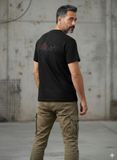
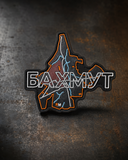
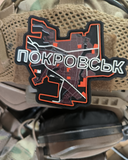
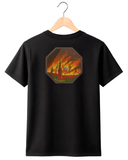
Raccoon Merch offers a Cities collection of clothing and patches dedicated to Ukrainian cities associated with the combat experiences of the country's defenders. These items provide a way to remember places that hold special meaning for service members and everyone following Ukraine's struggle.
Such products do not replace historical records and are not official insignia of specific military units. Their significance lies in a personal connection to a city, fellow service members, individual experiences, or the memory of those who fought to defend it.
Conclusion
Ukraine's Special Operations Forces have evolved from early attempts to establish a modern special operations system into a separate branch of the Armed Forces with specialized training and combat experience.
Their responsibilities include special reconnaissance, special operations, support for resistance movements, and other missions requiring advanced preparation and coordination. Selection and the Q-course are important elements of operator training, while technological developments continue to change the conditions in which they operate.
The SSO, however, are about more than individual operations or equipment. They are about people, teamwork, discipline, and the responsibility to accomplish assigned missions.
ArmaLite and the AR Family: From the AR-10 and AR-15 to the M16, M4 and Ukrainian UAR-15
Military Intelligence of Ukraine - History, Development and Modern Role
Glock - The History of the Company and the Pistol That Changed Modern Handguns
Night Vision Devices: History, Evolution and Night Vision Technology
What to Give an FPV Pilot - Gift Ideas for an FPV Drone Pilot
What to Give a Commander or Officer - Gift Ideas for a Military Service Member
What to Gift a Soldier: 15 Meaningful Gift Ideas They'll Truly Appreciate