The National Guard of Ukraine often appears in frontline news, but its responsibilities extend beyond combat. The NGU combines military capabilities with law-enforcement functions: it helps defend the country, protects civilians and critical infrastructure, supports public safety, and carries out other duties established by law.
During Russia’s war against Ukraine, the National Guard has undergone a major transformation. Re-established in 2014, it has become an important component of Ukraine’s Defence Forces. Its units fight on demanding fronts and continue developing artillery, unmanned systems, reconnaissance, and other modern capabilities.

History: Establishment, Disbandment and Re-establishment
The National Guard of Ukraine was first established on 4 November 1991, shortly after independence was declared. It was intended to help protect national sovereignty and security. As part of reforms at the time, however, on 11 January 2000 the Verkhovna Rada decided to disband it, and its units and responsibilities were redistributed among other institutions.
The situation changed dramatically in the spring of 2014. Following the Revolution of Dignity and the beginning of Russian aggression in Crimea and Donbas, Ukraine needed a force that could quickly strengthen national defence while also carrying out internal security duties. On 13 March 2014, parliament approved the re-establishment of the National Guard based on the Ministry of Internal Affairs’ Internal Troops. The following day, volunteers began signing up at Maidan Nezalezhnosti, including members of the Maidan Self-Defence groups.
This became an important chapter in the NGU’s history. People with different backgrounds joined, while units had to train quickly and adapt to combat conditions. They soon faced Russian forces and pro-Russian formations, helped defend cities in Donbas, and gradually expanded their military capabilities.
More about the NGU’s origins and re-establishment is available in this article: on the origins of the National Guard of Ukraine.
From the First Battles to the Full-Scale Invasion
In 2014, National Guard units were among the forces resisting Russian aggression in eastern Ukraine. They took part in combat around Sloviansk, Mariupol, Ilovaisk and Shyrokyne. For the newly re-established force, this was a period of fighting, learning, and reorganizing to meet the demands of a real war.
Over time, the NGU developed units with different specializations, and combat experience shaped training, equipment and tactics. At the same time, the National Guard continued maintaining public order, guarding important state facilities and protecting public safety. This combination of military and law-enforcement roles remains one of the NGU’s defining features.
The Full-Scale War: Hostomel, Kharkiv and Mariupol
From the first hours of the full-scale invasion on 24 February 2022, National Guard units joined Ukraine’s defence. Guardsmen fought for Hostomel Airport and helped defend Kyiv and the surrounding region, Kharkiv, Mariupol, Rubizhne, Sievierodonetsk and Lysychansk. In autumn 2022, they operated alongside other components of the Defence Forces during the liberation of territory in Kharkiv and Kherson regions.

The defence of Mariupol and the Azovstal steelworks holds a special place in the memory of the full-scale war. It involved, among others, members of the NGU’s 12th Brigade and the Azov Special Operations Detachment, who held back Russian forces for an extended period alongside Marines and other defenders. The defence became a symbol of resilience, while also reflecting the tragedy of the city, its extensive destruction, and the fate of service members taken captive.
It is important to remember that the achievements of individual brigades are part of the Defence Forces’ collective effort. Different military formations fought for Ukrainian cities, so their cooperation should be acknowledged rather than attributing the entire outcome to a single organization.
An official overview of key areas where National Guard units operated is available in this report: on the first thousand days of the full-scale struggle.
What Makes Up the National Guard
The NGU is not a single brigade, nor is it made up only of the units most often mentioned in the news. It includes operational brigades; units responsible for public order and guarding important facilities; reconnaissance and special-purpose units; artillery; unmanned systems; aviation elements; engineering and logistics components; and medical and training infrastructure. The exact composition and tasks of units change according to operational needs.
Well-known NGU formations include the Azov, Khartiia, Rubizh, Spartan, Chervona Kalyna, Kara-Dag and Burevii brigades, among others. Not all guardsmen perform the same tasks: some units specialize in frontline combat, while others focus on security, support, reconnaissance, countering aerial threats or operating unmanned systems.
The Azov and Khartiia Corps: A New Stage of Development
In 2025, the National Guard moved to a corps-based command model as part of a broader reform of Ukraine’s Defence Forces. The NGU’s 1st Azov Corps and 2nd Khartiia Corps were formed. A corps is an operational-tactical formation intended to coordinate several brigades and support units; it is not simply another name for an individual brigade.

The 1st Azov Corps included, among others, the Azov, Burevii, Chervona Kalyna, Kara-Dag and Liubart brigades. The 2nd Khartiia Corps included the Khartiia, Spartan, Rubizh and Raid brigades, as well as the Sloviansk Brigade. Structures and assignments can change, so this list describes the corps as they were being formed during the reform rather than serving as a complete register of all NGU units.
According to the National Guard, in 2025 the Azov Corps operated in the Dobropillia sector, while the Khartiia Corps took part alongside other Defence Forces units in an operation in Kharkiv region aimed at relieving pressure on Kupiansk. Read more about the transformation and combat missions in this overview of the National Guard units’ combat record in 2025.
Drones, Air Defence and Demining
Today’s National Guard is developing more than infantry and artillery capabilities. Its units operate strike and reconnaissance drones, mobile fire groups, and demining teams, alongside specialists responsible for technical support and force protection. These roles have become especially important in a war where reconnaissance, rapid information-sharing and precision strikes shape operations on the ground.
Demining liberated and frontline areas is another demanding task. Explosive remnants continue to threaten military personnel and civilians even after fighting in a particular area has ended. Deminers clear hazardous ground so people can return home more safely and other units can carry out their missions.
Interesting Facts About the NGU
The National Guard has two key dates in its history. Its establishment in 1991 and re-establishment in 2014 are distinct periods. Today’s NGU traces its history to the re-established force while also recognizing its earlier incarnation.
National Guard Day is observed on 26 March. The date is associated with the law restoring the NGU, adopted on 26 March 2014. It is not the date the National Guard was first established in 1991.
The NGU has a dual role. In peacetime, it performs law-enforcement duties and develops defence capabilities. Under martial law, the National Guard is part of Ukraine’s Defence Forces and carries out combat missions in accordance with the law.
Its structure continues to evolve. The formation of new brigades and corps, together with the development of unmanned systems and artillery, reflects efforts to adapt command and equipment to modern warfare.
Cities We Remember
The National Guard’s history is inseparable from Ukrainian cities that became defensive lines, sites of fierce fighting and symbols of resilience. Kharkiv, Mariupol, Sloviansk, Rubizhne, Sievierodonetsk, Lysychansk, Kupiansk and other cities are more than points on a map. Each name represents people and families, destroyed homes, evacuations, defence and the hope of rebuilding.
The “Cities” Collection by Raccoon Merch
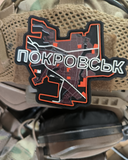
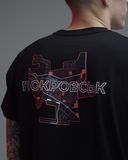
The “Cities” collection commemorates places that became part of Ukraine’s shield and the people who continue to defend them. The clothing and patch designs carry memory, experience and respect for cities whose names hold special meaning for many Ukrainians.
If this story resonates with you, explore the “Cities” collection on the Raccoon Merch website.
The National Guard of Ukraine has evolved from a force re-established during a national crisis into a component of the Defence Forces with corps, brigades and modern technologies. Yet behind every reform are people: service members holding positions, working in support roles, clearing mines, protecting the skies and helping the country endure.
Ukrainian Marines: History, Combat Path and the Modern Marine Corps
Ukrainian Special Operations Forces (SSO): History, Structure, Training, and Combat Missions
Military Intelligence of Ukraine - History, Development and Modern Role
Glock - The History of the Company and the Pistol That Changed Modern Handguns
What to Give a Commander or Officer - Gift Ideas for a Military Service Member
Military Patches: How a Small Patch Became a Symbol of Military Culture
What to Gift a Soldier: 15 Meaningful Gift Ideas They'll Truly Appreciate