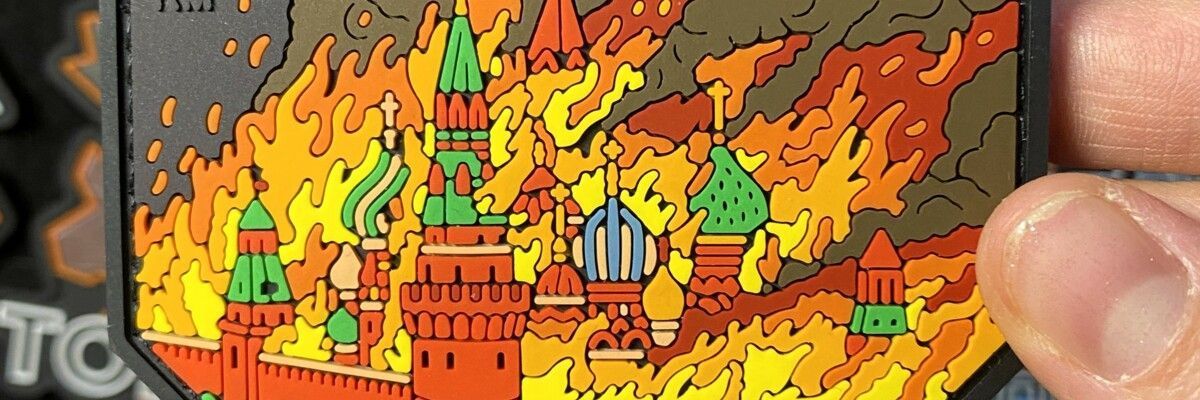
Military Patches: How a Small Patch Became a Symbol of Military Culture
A military patch covers only a few square inches of fabric.
Yet it can often tell you more about a person than a long conversation ever could.
Their unit.
Their specialty.
Their combat experience.
Their sense of humor.
A memory of an important mission.
Today, military patches are far more than just part of a uniform. They have become an important element of military culture, a way of expressing identity, and a symbol of belonging.
What Is a Military Patch?
The word patch originally referred to a piece of fabric sewn onto clothing.
In today's military world, a patch is an emblem attached to a uniform, backpack, plate carrier, or other equipment that displays a symbol, design, or message.
People often use the words patch, shoulder patch, and insignia interchangeably, but they are not always the same.
-
A patch is any emblem or design attached to clothing or gear.
-
An official insignia identifies a military branch, unit, or rank.
-
Shoulder patches are simply patches worn on the sleeves of a uniform.
Today, the word patch has become the most common term among soldiers, collectors, and manufacturers alike.
How Did Military Patches Begin?
Military identification symbols have existed for centuries.
Armies have long used distinctive colors, badges, and insignia to identify friendly forces on the battlefield.
However, modern military patches began to take shape during the early twentieth century.
During World War I, many armies introduced embroidered division and unit insignia.
By World War II, military patches had become much more sophisticated, identifying branches of service, combat units, airborne divisions, and specialized roles.
Since then, patches have become standard equipment in armed forces around the world.
Why Have Military Patches Become So Popular?
At first glance, a patch may seem like nothing more than a small decoration.
For soldiers, however, it often represents much more.
A military patch can reflect:
-
the unit someone serves in;
-
their military specialty;
-
their operational experience;
-
their values;
-
their personality;
-
their sense of humor.
That is why many service members choose their patches just as carefully as they choose the rest of their equipment.
Why Do Soldiers Exchange Patches?
Patch trading has become an international military tradition.
After joint exercises, multinational deployments, or combat operations, soldiers from different units often exchange patches.
This exchange represents mutual respect, friendship, and shared experience.
For many veterans, the patches they received from fellow soldiers carry more emotional value than any commercially purchased item.
Morale Patches - A Culture of Their Own
Alongside official military insignia exists another fascinating category: morale patches.
These unofficial patches express humor, personality, inside jokes, professional pride, or memorable experiences.
Some are serious.
Others are funny.
Many become legendary within military communities.
Morale patches have grown into an important part of modern military culture and are often highly collectible.
What Materials Are Military Patches Made From?
Military patches have evolved significantly over the years.
The earliest examples were embroidered entirely by hand.
Later came machine embroidery, making production faster and more consistent.
Today, the most common types include:
-
embroidered patches;
-
woven patches;
-
hybrid textile patches;
-
PVC patches.
Among these, PVC patches have become one of the most popular choices for modern military use.
They offer several advantages:
-
waterproof construction;
-
resistance to fading;
-
easy cleaning;
-
excellent durability;
-
resistance to oil and dirt;
-
highly detailed designs;
-
outstanding shape retention.
For these reasons, PVC patches are now widely used by military personnel around the world.
What Makes a Great Military Patch?
Designing a memorable military patch is far more challenging than it appears.
A good patch should be recognizable from a distance.
Every element should remain easy to read.
The symbolism should be meaningful without becoming overly complicated.
The best military patches combine simple design with a strong story.
That is why many iconic military patches rely on only a few colors and one central symbol.
Why Do People Collect Military Patches?
To many people, a patch is simply a souvenir.
To a soldier, it often represents something much deeper.
Each patch may commemorate:
-
a military unit;
-
fellow service members;
-
a deployment;
-
an international exercise;
-
a specific operation;
-
an important chapter of life.
This is why many veterans continue preserving their military patches decades after leaving active service.
Some private collections contain hundreds - or even thousands - of patches from around the world.
Military Patches by Raccoon Merch
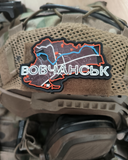
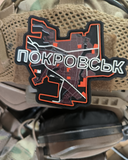
At Raccoon Merch, we create premium PVC patches inspired by modern Ukrainian military culture.
Our designs are dedicated to Ukrainian cities, FPV drone units, national symbols, and the events shaping Ukraine's modern history.
Most of our ideas are developed together with active service members and veterans, ensuring that every patch tells a story rather than simply displaying artwork.
Interesting Facts About Military Patches
-
The earliest military patches were embroidered entirely by hand.
-
Soldiers from different countries regularly exchange patches after joint exercises and international missions.
-
Some military patches are produced in editions of only a few dozen pieces, making them highly collectible.
-
Patches are widely used not only by military organizations but also by police, firefighters, rescue teams, emergency medical services, and even space agencies.
-
Modern PVC patches are significantly more durable than traditional embroidered versions and perform better in demanding environments.
Conclusion
A great military patch has never been just a piece of fabric or PVC.
Behind every patch is a story.
People.
Brothers-in-arms.
Places.
Experiences.
That is why so many veterans continue keeping their patches long after their military service has ended.
A small patch may seem simple, but it often becomes one of the most meaningful symbols of military life.
Related Articles
-
The History of Military Dog Tags: From Identification to a Symbol of Military Service
-
The MARCH Protocol: The Foundation of Modern Tactical Medicine
-
What to Give a Commander or Officer - Gift Ideas for a Military Service Member
-
What to Give an FPV Pilot - Gift Ideas for an FPV Drone Pilot
-
What to Give a Military Medic: 17 Gift Ideas for Combat Medics, Paramedics and Tactical Medics
-
-